
“It is preferable not to travel with a dead man”
Jim Jarmusch has been part of my movie life for so long that thinking about him feels a bit like revisiting an old neighborhood. He’s this quiet, stubborn poet of independent cinema, telling stories about drifters, insomniacs, and misfits who move through the world slightly out of step with everyone else.
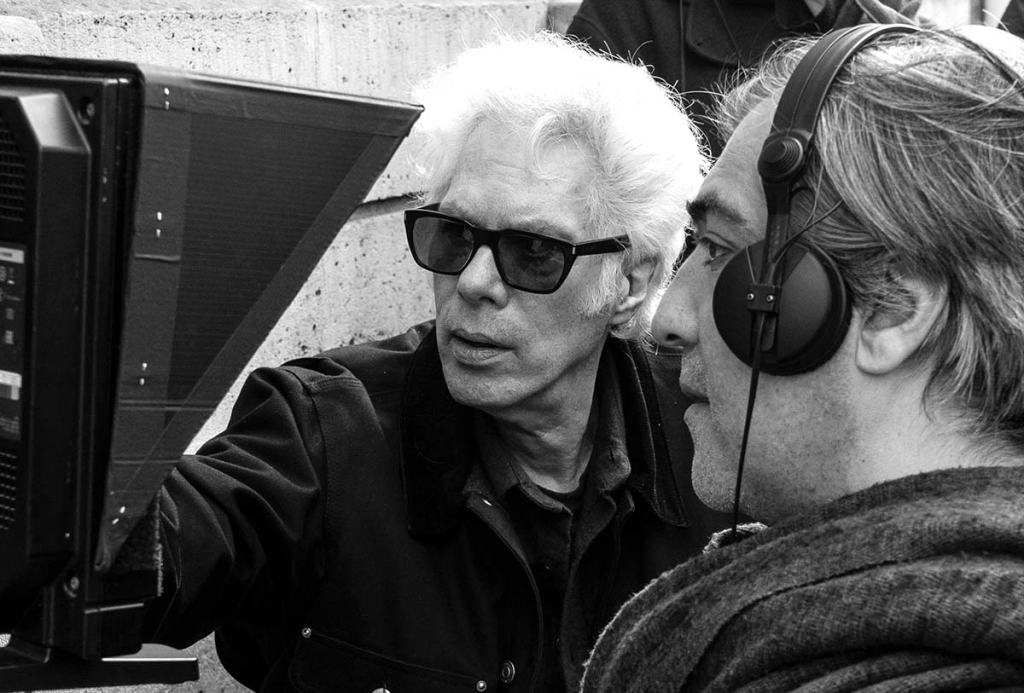
I first met his films in the dark of Ciné Utopia in Luxembourg City in the 1990s, that stubborn little art‑house that’s still showing films off the beaten path today. I saw Night on Earth, Dead Man, and Ghost Dog there, one after the other over a few years, and they quietly rearranged my idea of what cinema could be: slower, stranger, funnier, and somehow more human than the big studio releases playing elsewhere. Johnny Depp’s drifting, wounded William Blake in Dead Man lodged itself especially deep in my memory, like a black‑and‑white dream I never quite woke up from.
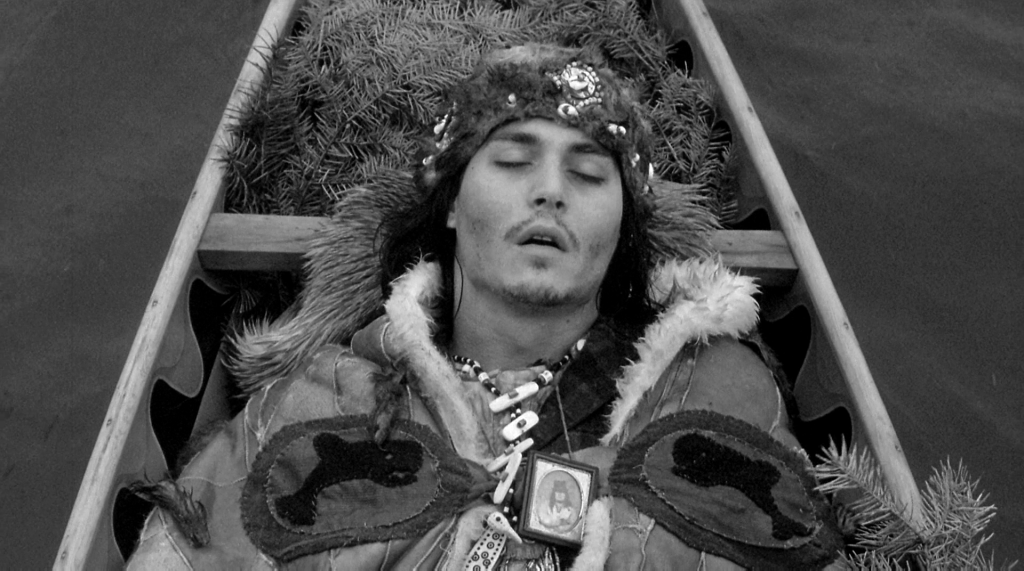
Dead Man is the one that never let go of me. When I first saw it in my twenties, I didn’t have much language for death or mortality, but Jarmusch smuggled those questions in so quietly that they felt almost natural. He turns Blake’s slow dying into a strange, gentle drift rather than a big tragic spectacle, and somehow that made the whole subject feel less abstract and frightening, more like another part of the journey we’re all already on.
And then, somehow, I let Jarmusch drift out of my life for almost thirty years. While he kept making films like Broken Flowers, Only Lovers Left Alive, Paterson, and the zombie comedy The Dead Don’t Die, I just stopped keeping track, the way you slowly lose touch with a friend without really deciding to.
Almost thirty years later, I found him again.
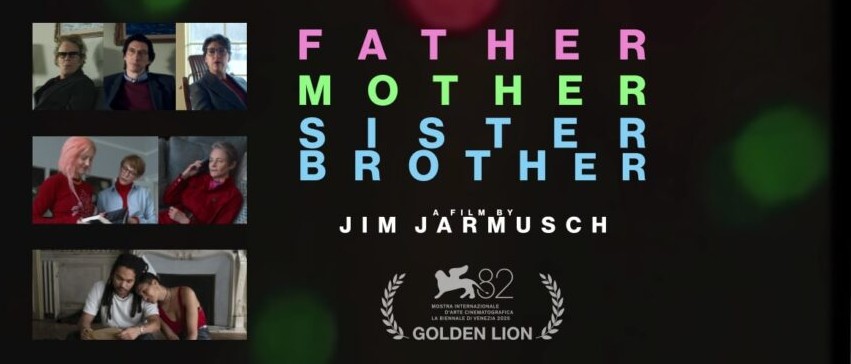
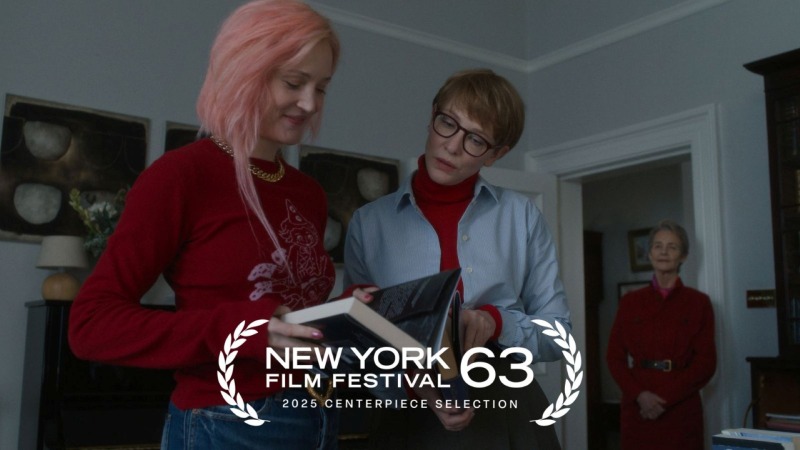
Coming back now with Father Mother Sister Brother feels like meeting that old friend again, older and more fragile, but instantly familiar. The film is a quiet triptych about adult children and their parents, spread across the northeastern United States, Dublin, and Paris, full of pauses, awkward small talk, and all the things people can’t quite say to each other. Jarmusch is still obsessed with the same things—time passing, distances between people, the poetry of everyday gestures—but here he filters it through family ties that are frayed, tender, and often wordless.
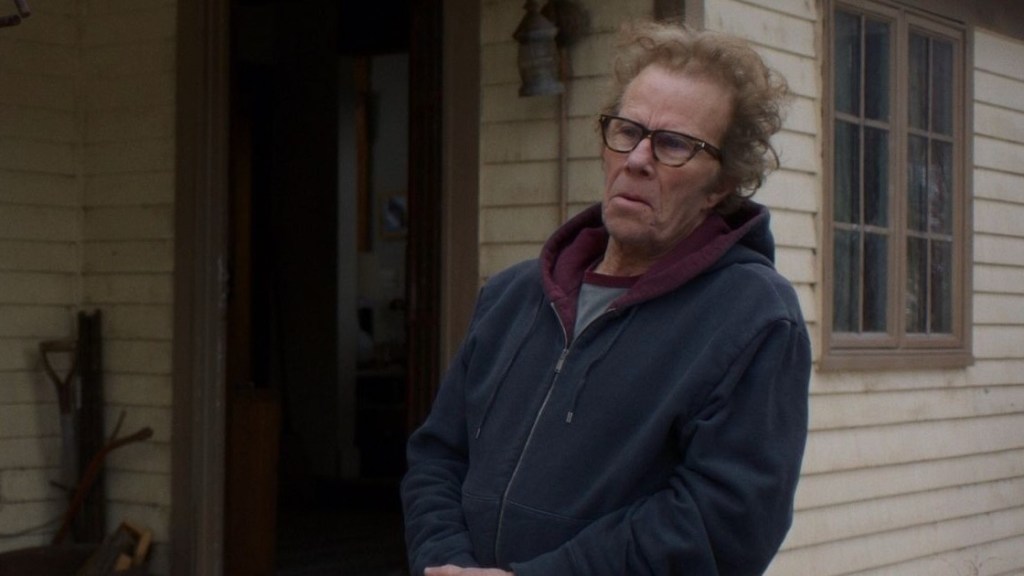
At the center of it, for me, is Tom Waits in the “Father” segment, playing a reclusive dad tucked away somewhere in the woods of the northeast. It’s a beautiful standout performance: crumpled and world‑weary on the surface, all gravel and grump, but full of tiny hesitations and half‑swallowed emotions that say more than any speech could. Watching him spar gently with his grown children, trying and failing to close the gap between them, reminded me why I loved Jarmusch in the first place: he believes that the quietest moments, if you really look at them, can carry an entire lifetime.
And there’s an extra pleasure, watching Father Mother Sister Brother from Luxembourg: seeing Vicky Krieps among the cast, holding her own in this ensemble as Lilith in the “Mother” segment. Over the last years she’s become one of Luxembourg’s standout actresses on the international stage, from Phantom Thread to Corsage, and here she slips perfectly into Jarmusch’s quiet, emotionally off‑beat universe.

 Soundtrack Diaries
Leave a comment